
Kenya Strengthens Ebola Preparedness Through Enhanced Coordination with Partners
Nairobi, Kenya - - Kenya is sustaining a heightened state of readiness against the regional outbreak of Bundibugyo Ebola Virus Disease (BEVD), reaffirming that preparedness remains the country’s strongest safeguard against emerging public health threats despite having no confirmed cases.
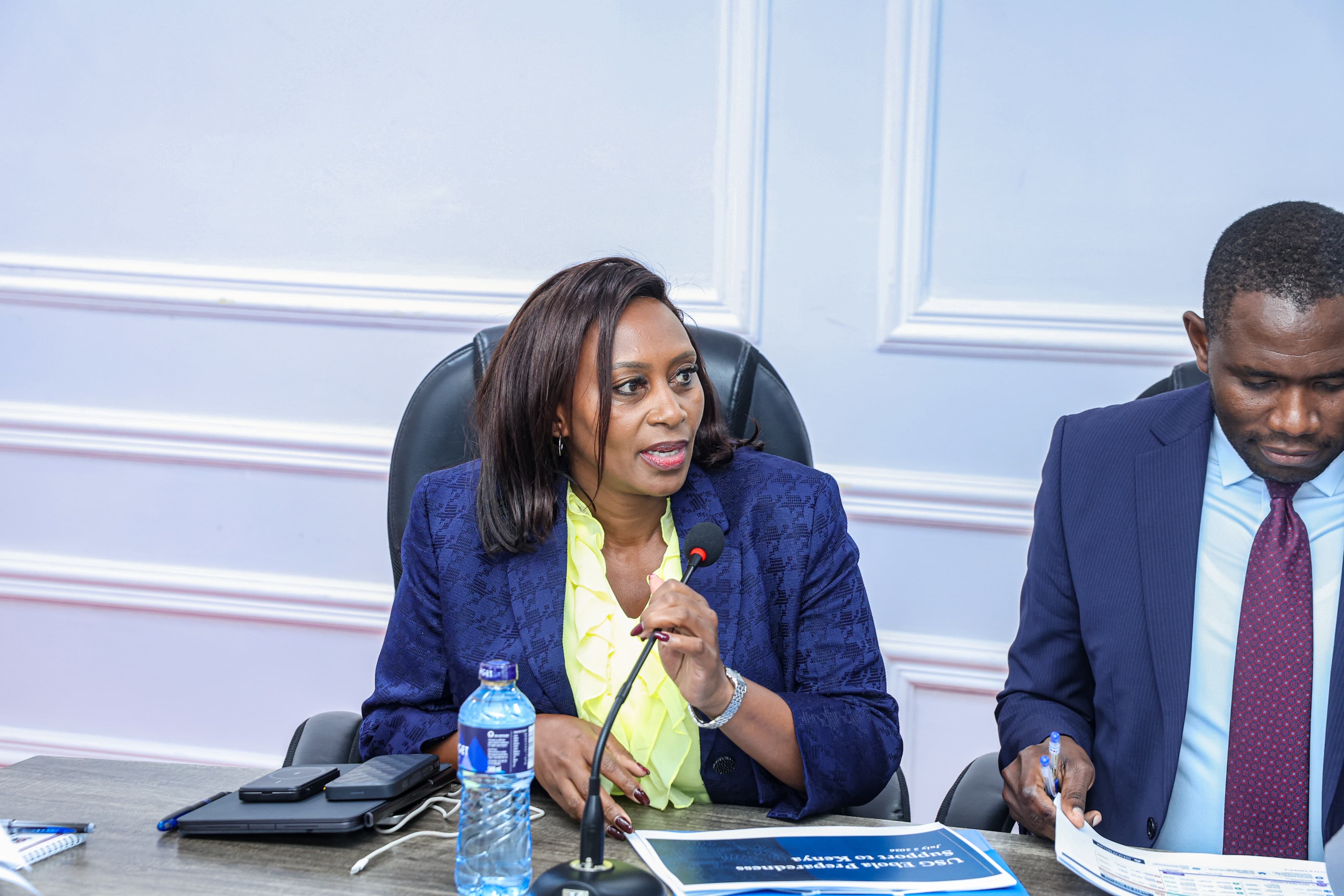
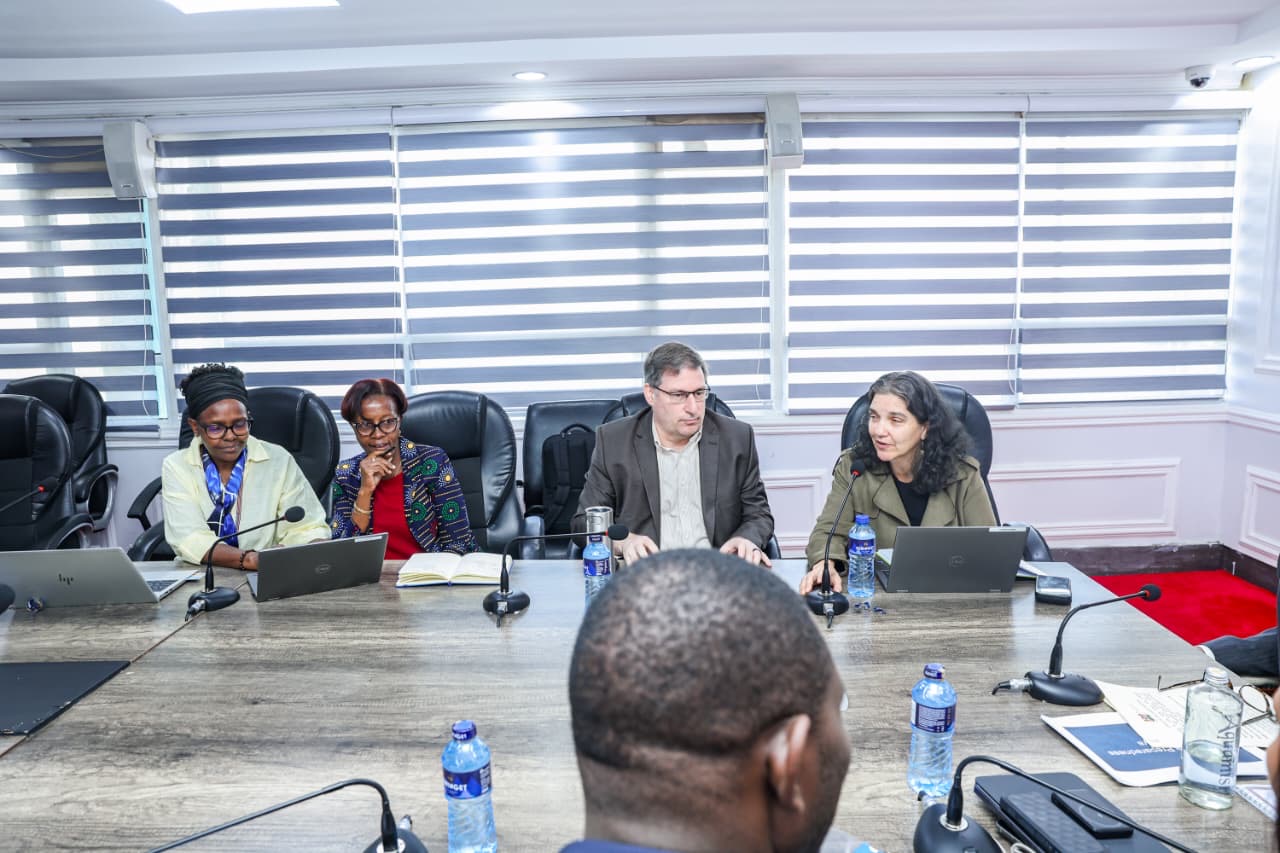
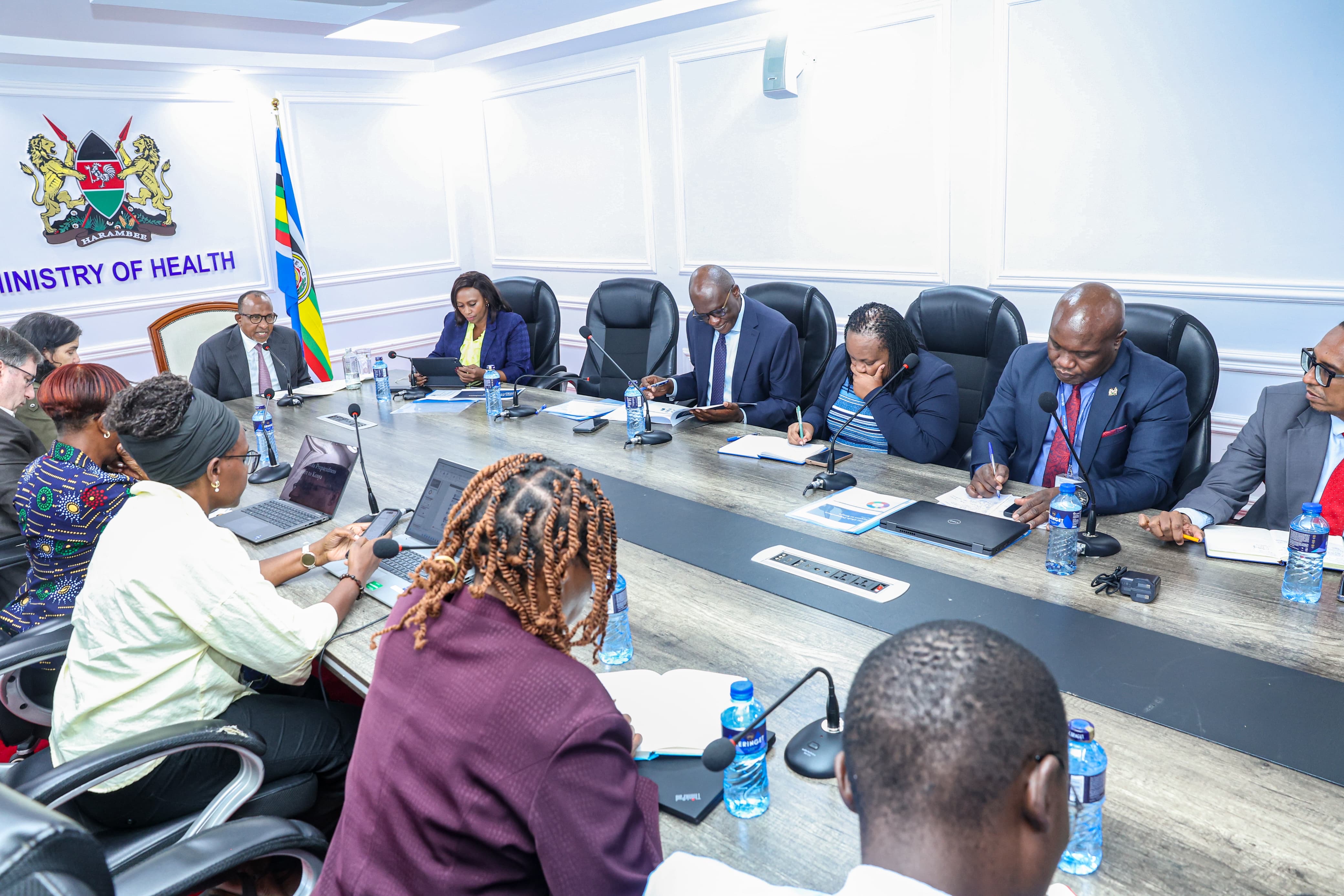
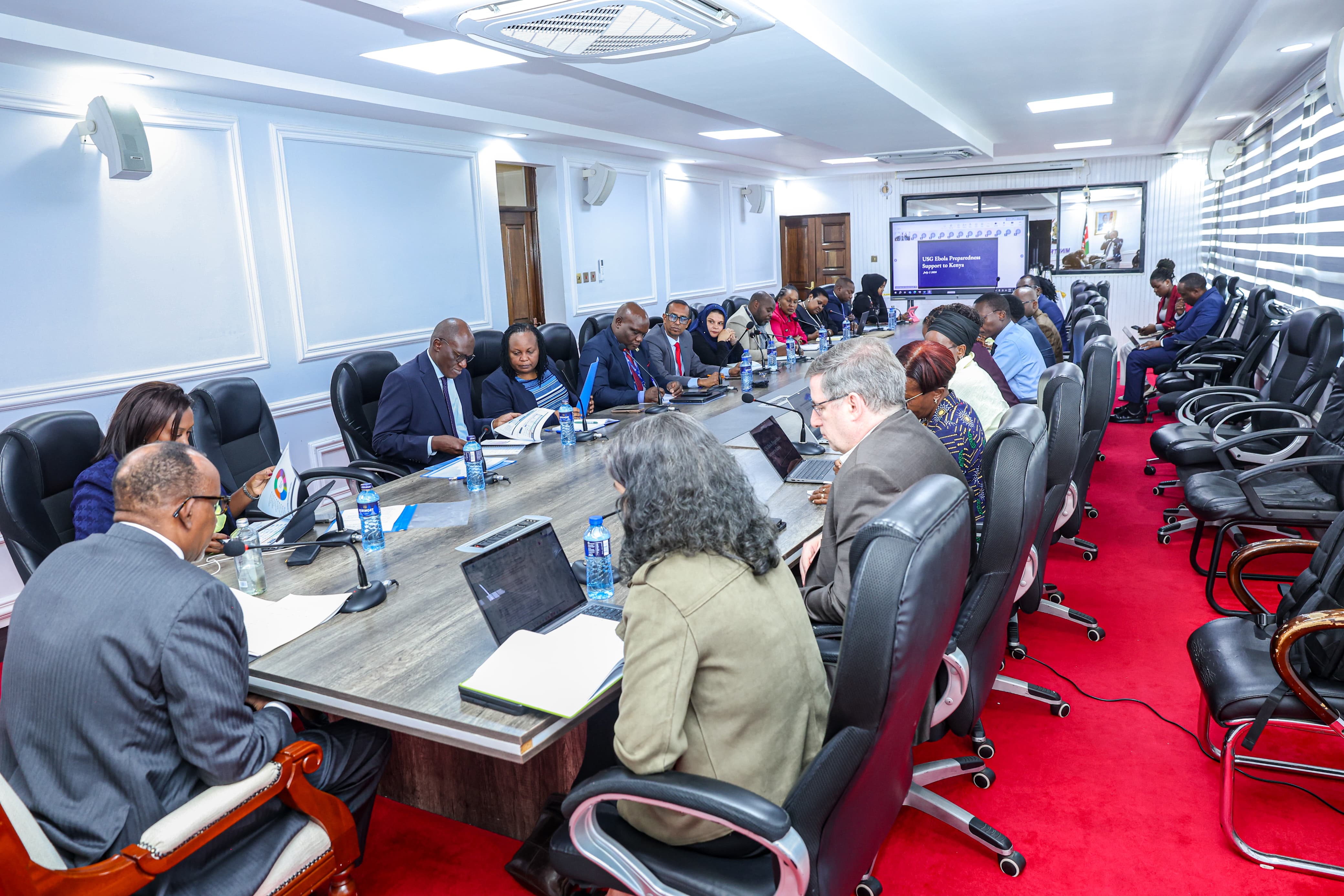
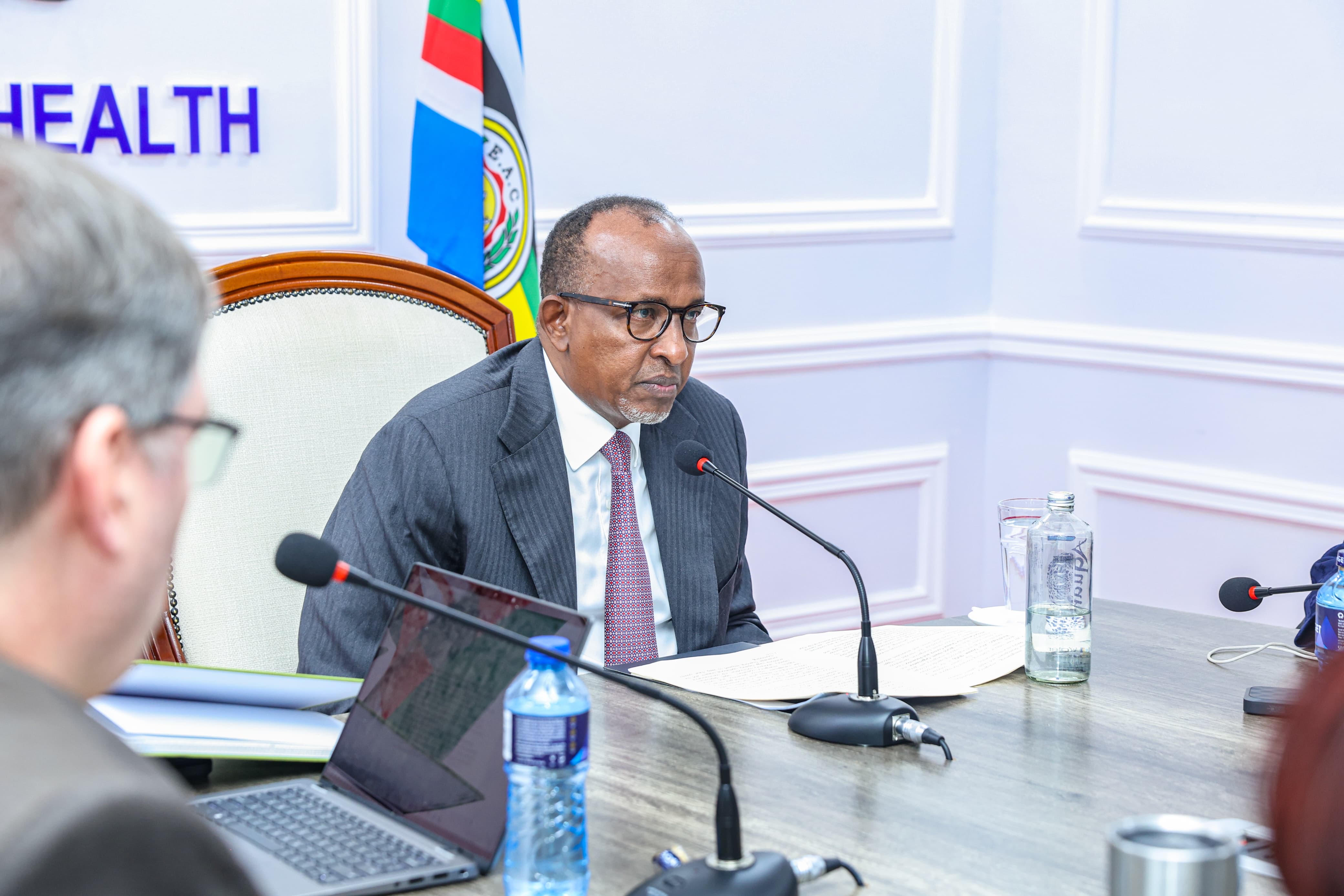
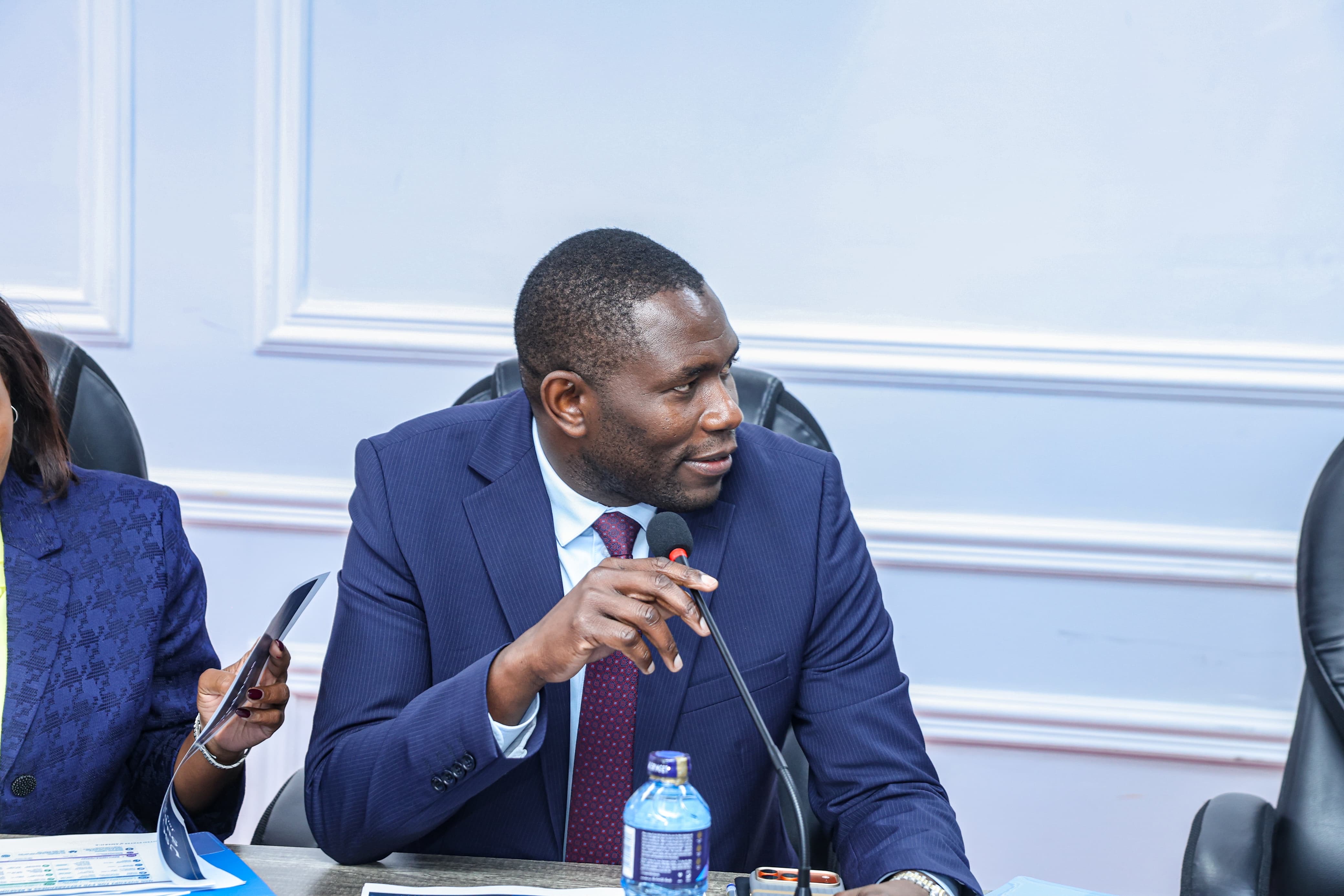
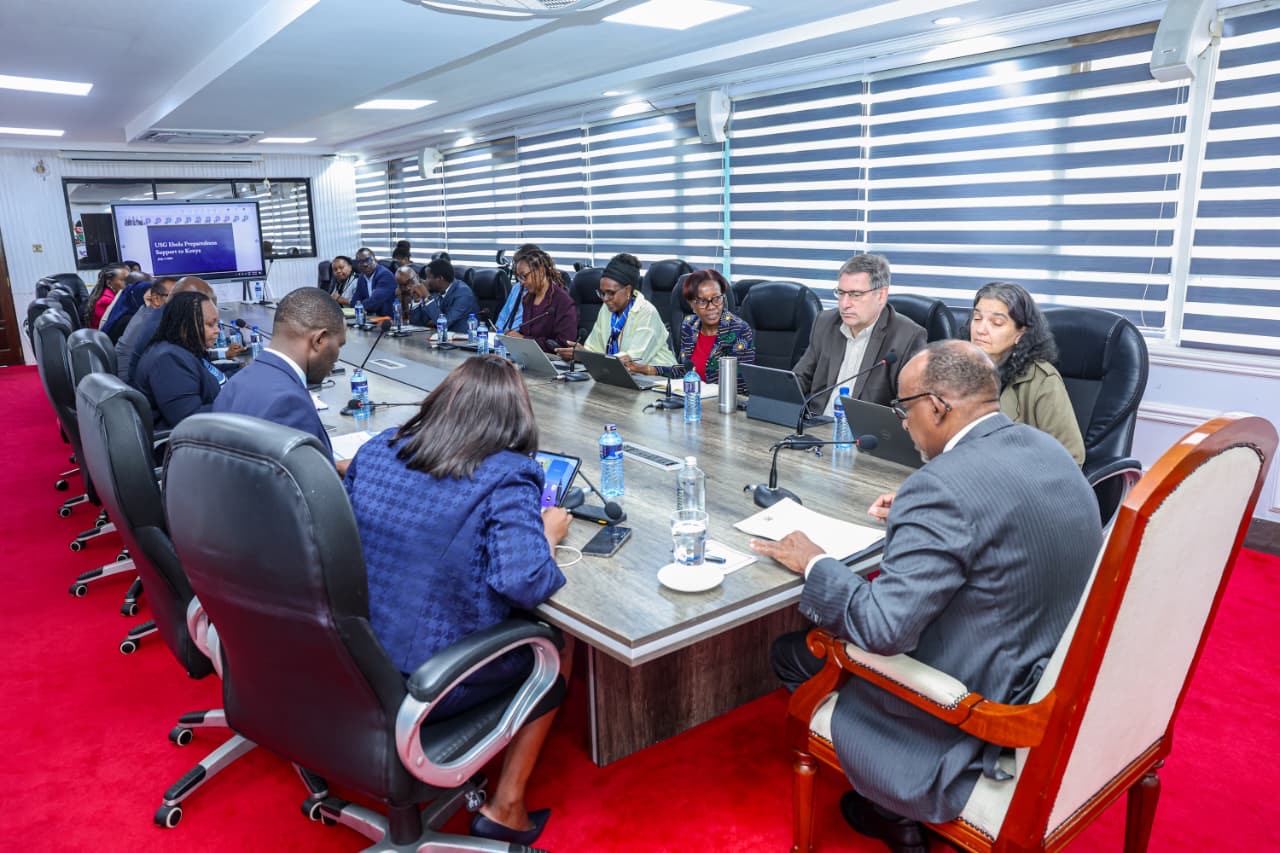
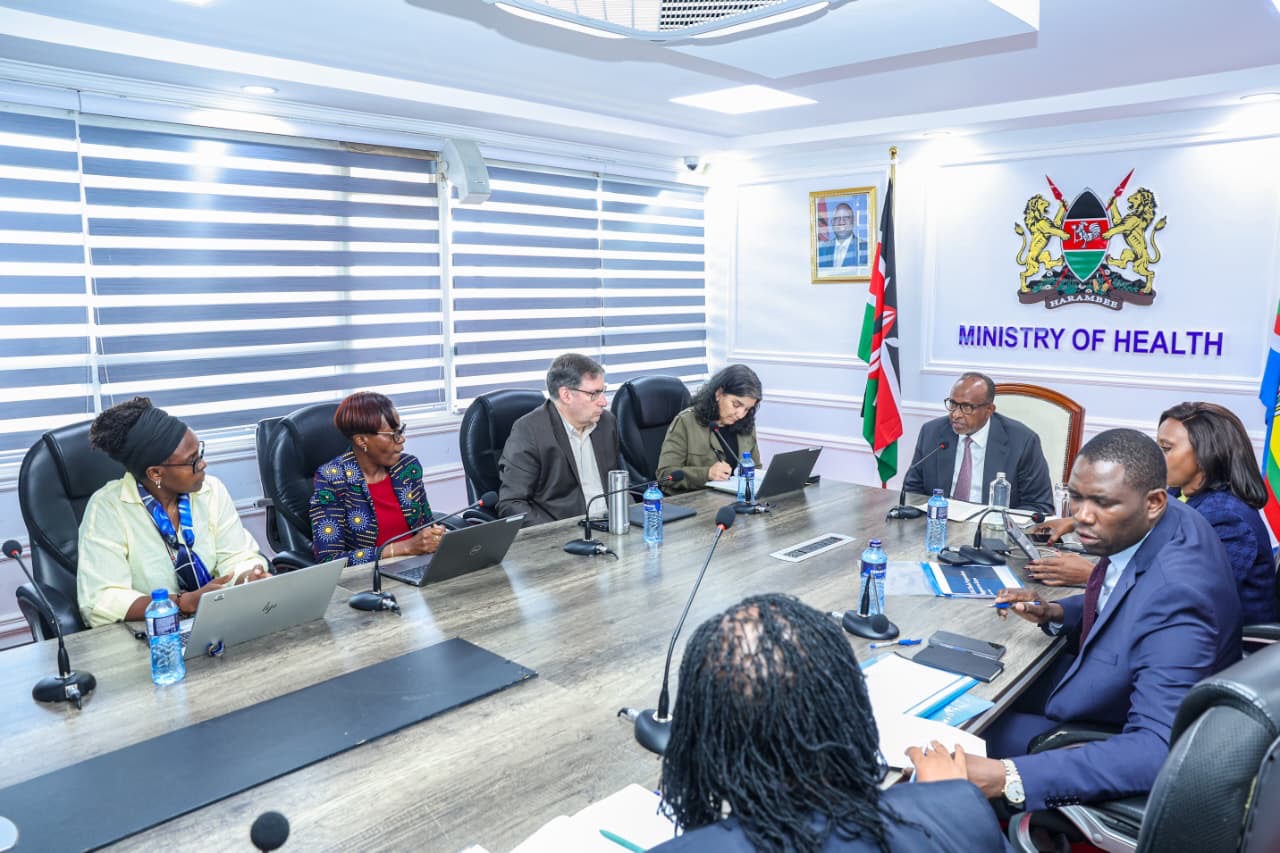
Health Cabinet Secretary Hon. Aden Duale convened a high-level consultative meeting with representatives of the United States Government, implementing partners and other key stakeholders to review Kenya’s Ebola preparedness status, strengthen coordination and align support towards enhancing the country’s capacity to prevent, detect and respond to a potential outbreak.
The meeting reviewed progress made, identified priority gaps requiring urgent attention and reaffirmed a coordinated approach to ensure national and partner interventions remain aligned under a common preparedness framework.
Guided by the Government’s Bottom-Up Economic Transformation Agenda (BETA), Kenya has continued to strengthen its health security systems through enhanced disease surveillance, screening at points of entry, expanded laboratory capacity, robust emergency coordination mechanisms and a well-equipped frontline health workforce. These investments have significantly improved the country’s ability to respond rapidly to disease outbreaks and other public health emergencies.
To further strengthen national readiness, the Kenya National Public Health Institute (KNPHI), through its Incident Management System, has identified 25 high-risk counties for intensified preparedness activities, technical assistance and resource allocation. Kenya’s Ebola preparedness score has reached 66 per cent, reflecting encouraging progress while underscoring the need for continued investment to achieve full operational readiness.
The Cabinet Secretary noted that critical gaps remain in case management, infection prevention and control, rapid response deployment, health workforce surge capacity and sustainable financing for emergency preparedness. He emphasised that preparedness must be demonstrated through timely action rather than planning alone, calling on partners to expedite support for the establishment and equipping of isolation facilities, procurement of adequate personal protective equipment (PPE), strengthening of laboratory and surveillance systems, and deployment of trained healthcare personnel to high-risk points of entry and health facilities.
Hon. Duale underscored the importance of coordinated action, noting that the consultative forum provided an opportunity to harmonise partner support, eliminate duplication of efforts and prioritise interventions that will further strengthen Kenya’s health security architecture.
The Cabinet Secretary expressed appreciation for the longstanding partnership between the Governments of Kenya and the United States, whose continued collaboration has strengthened disease surveillance systems, laboratory networks, workforce development and emergency preparedness across the country. He also reaffirmed the Government’s commitment to transparency, accountability and prudent utilisation of resources through the “One Plan, One Budget and One Monitoring Framework” to ensure coordinated, efficient and measurable implementation of preparedness activities.
The meeting was attended by Principal Secretary for Medical Services Dr. Ouma Oluga, Principal Secretary for Public Health and Professional Standards Ms. Mary Muthoni, Director General for Health Dr. Patrick Amoth, Acting CDC Kenya Country Director Dr. Jennifer Galbraith, Chairperson of Development Partners in Health–Kenya Mr. Brian Rettman, Acting KNPHI Chief Executive Officer Dr. Kamene Kimenye, Ministry Heads of Directorates and representatives of implementing partners.