
Kenya to Host Global Maternal and Newborn Health Conference in Nairobi
Nairobi, — Kenya will next week host the International Maternal, Newborn and Child Health Conference (IMNHC 2026), bringing together global leaders, health experts and policymakers to accelerate action on reducing preventable maternal and newborn deaths.
The conference, scheduled for 23– at the Edge Convention Centre in Nairobi, is expected to convene over 1,800 participants from more than 100 countries, including government delegations, researchers, development partners and civil society organisations.
As host country, Kenya will leverage the conference as a strategic platform to showcase progress, highlight persistent gaps and drive renewed global and national commitments towards improving maternal and newborn health outcomes.
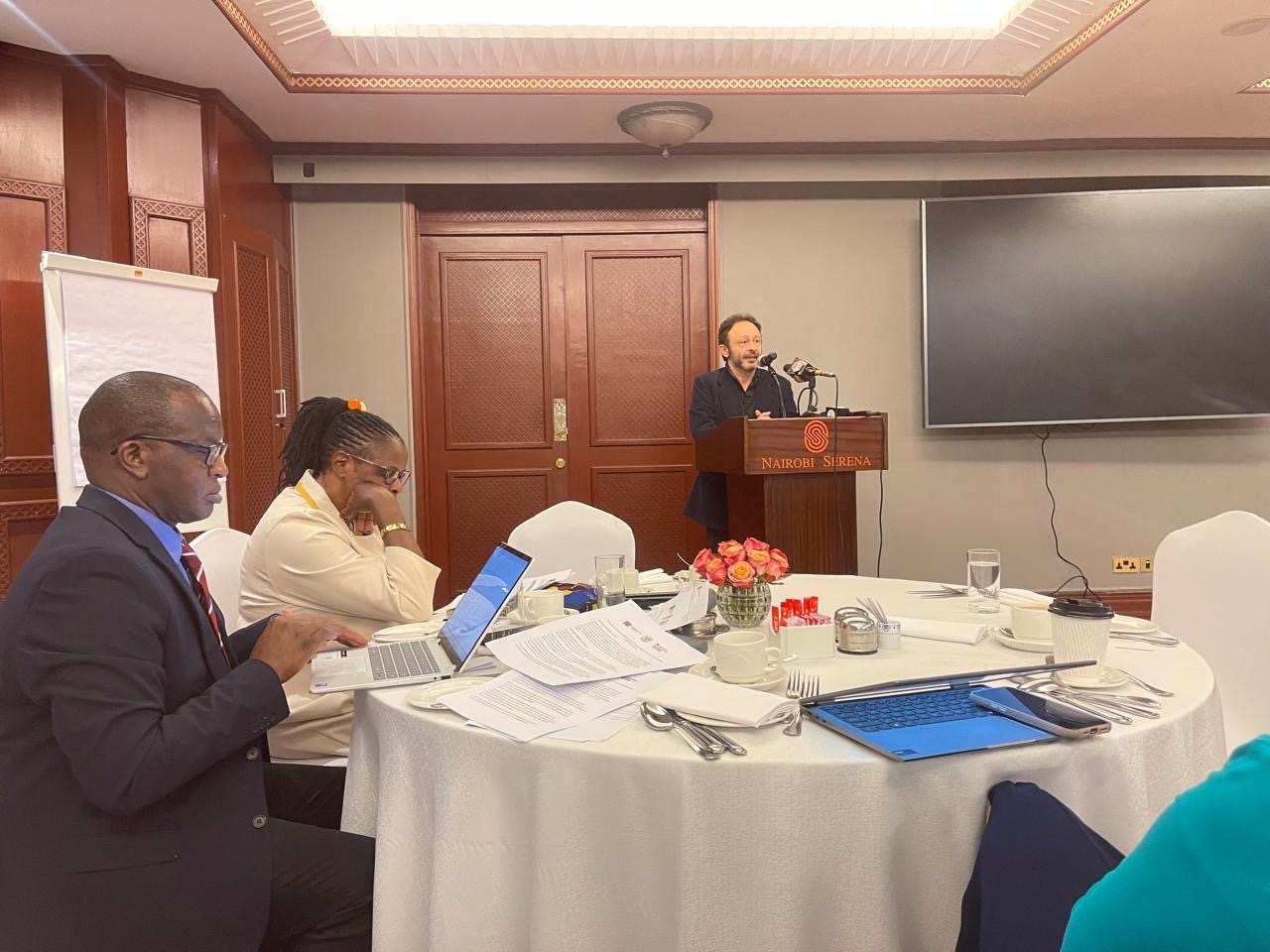
Speaking during a media briefing ahead of the conference, Head of the Division of Reproductive, Maternal, Newborn, Child and Adolescent Health (RMNCAH), Dr Edward Serem, described the convening as a critical moment for both Kenya and the global community.
“This conference comes at a time when progress has slowed globally. It is an opportunity for countries to regroup, assess where we are, and agree on practical actions that will save lives,” he said.
Held under the theme “Moving Forward Together,” the conference will focus on identifying solutions, strengthening accountability, mobilising resources and building partnerships to address maternal and newborn mortality.
Globally, progress in maternal and newborn health has stalled in recent years, with many countries off track to meet the 2030 Sustainable Development Goals (SDGs). The Nairobi conference is therefore expected to catalyse renewed momentum and coordinated action.
For Kenya, the conference also presents an opportunity for reflection and leadership in addressing maternal and newborn health challenges.
Dr Serem noted that while the country has made gains—including increased skilled birth attendance and declining stillbirth rates—maternal and newborn deaths remain high and largely preventable.
“Approximately 15 mothers and 92 newborns die every day in Kenya. These are deaths we know how to prevent,” he said.
He emphasised the need to address key challenges, including deaths occurring within health facilities, weak referral systems, inequities across counties and the need for sustainable financing.
The Government has outlined a clear roadmap to address these gaps through major policy and investment frameworks, including the RMNCAH+N Investment Case (2025) and the Every Woman, Every Newborn (EWENE) Strategy (2026–2030), which prioritise equity, quality and accountability in service delivery.
The conference will feature plenary sessions, technical discussions, innovation showcases and country experiences across key thematic areas such as quality of care, health workforce, financing, data systems and community engagement.
Dr Serem also underscored the importance of partnerships and collective responsibility in driving progress.
“No single actor can do this alone. Governments, partners, communities and the media all have a role to play in ensuring that no mother or newborn dies from preventable causes,” he said.
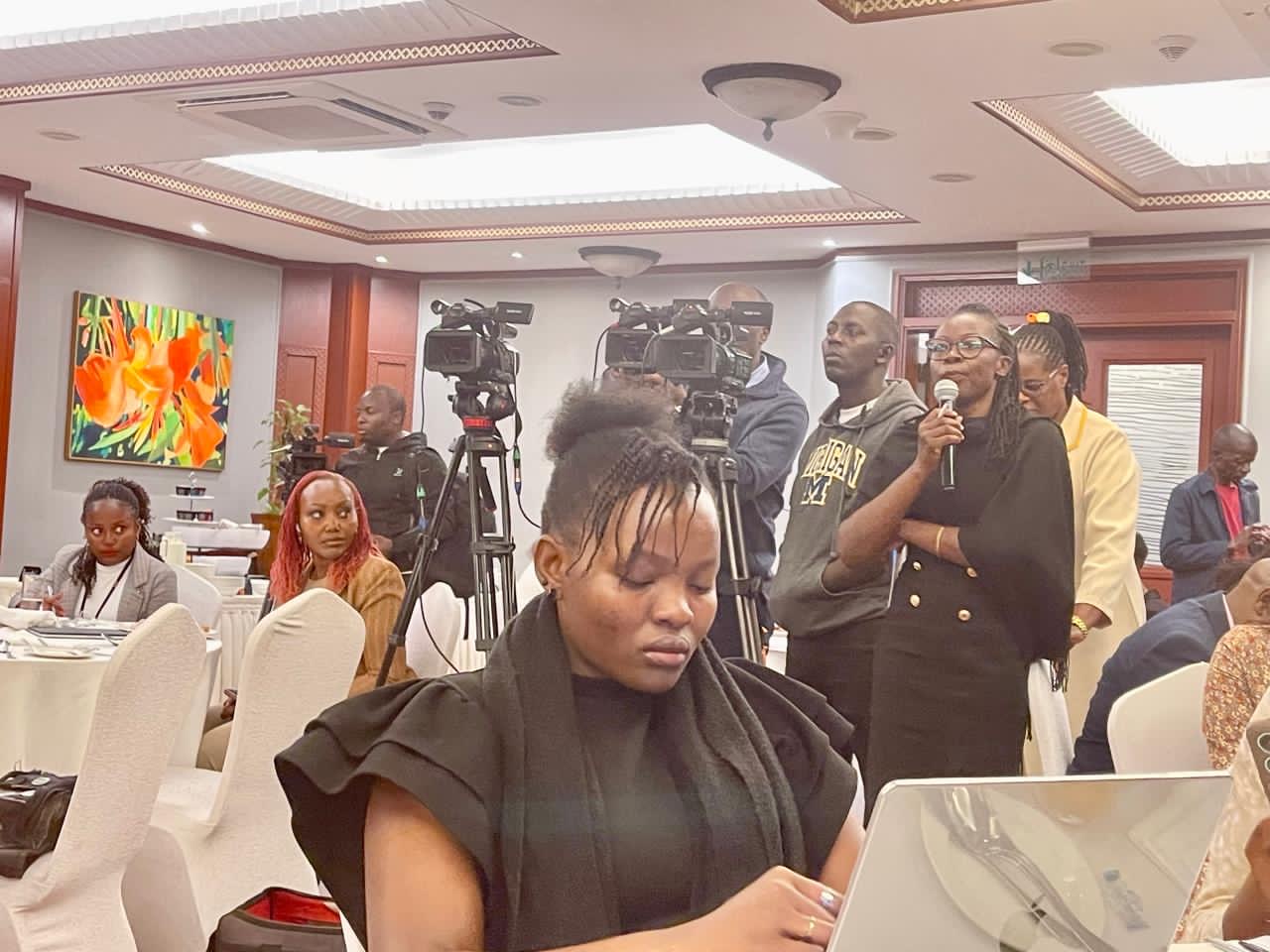
He called on the media to actively engage in the conference and use their platforms to highlight gaps, amplify voices and sustain public attention on maternal and newborn health.
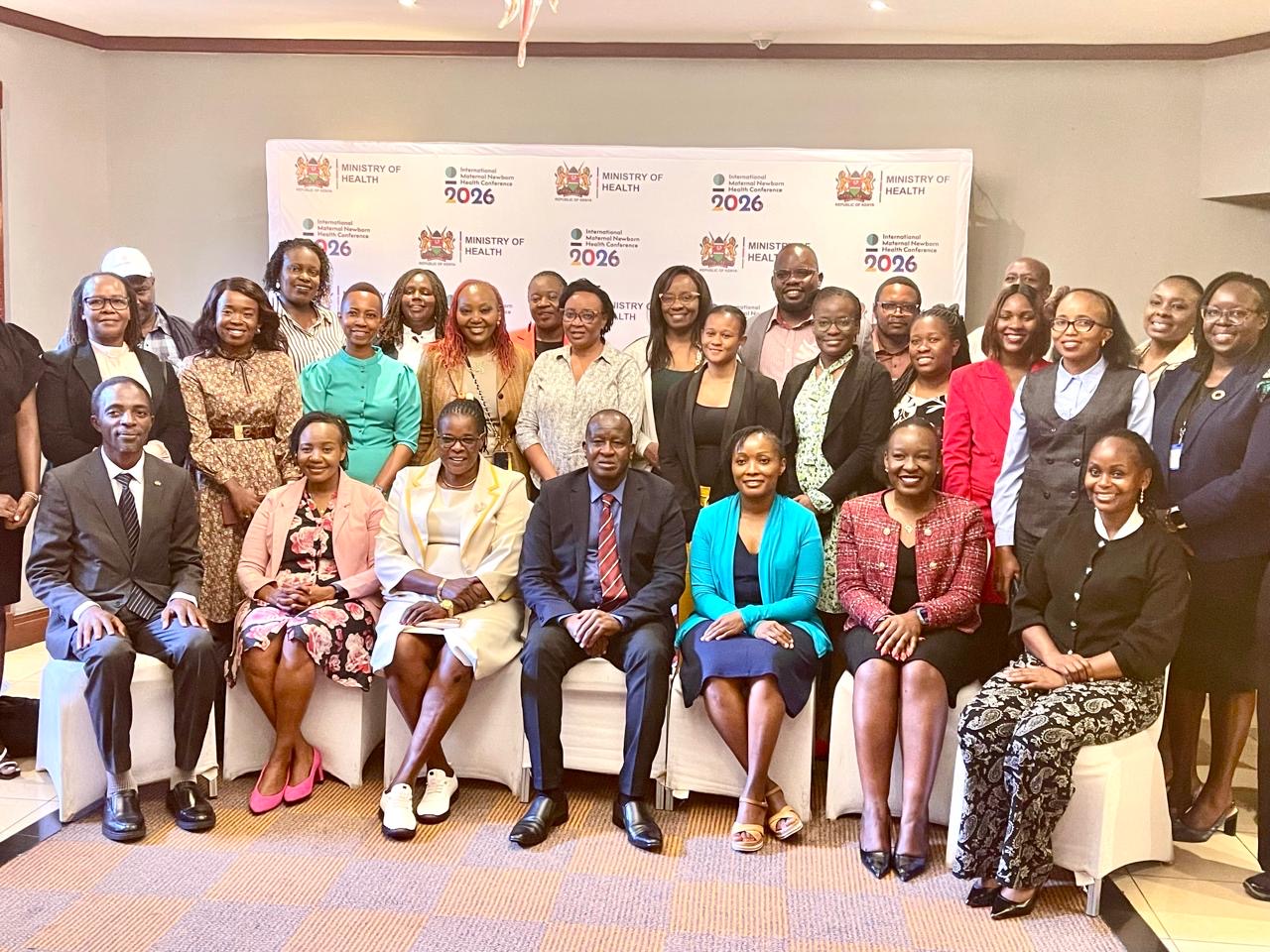
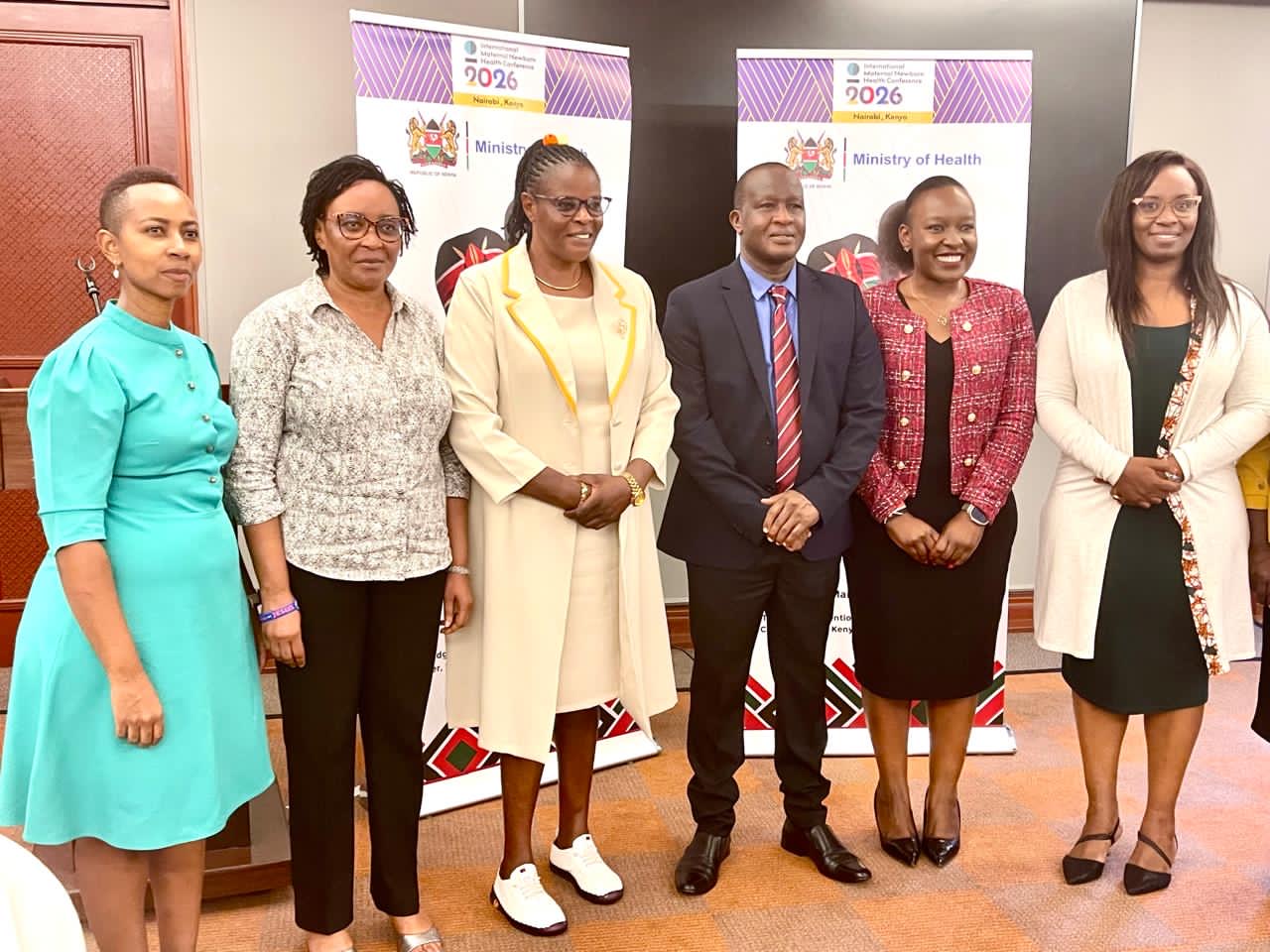
The media briefing was also attended by key partners and technical experts, including Dr Njeri Nyamu (Jhpiego and AlignMNH), Luigi D’Aquino (UNICEF) and Dr Juliet Omwoha, Lead for Child Health at the Ministry of Health, reflecting the strong multi-sectoral collaboration supporting the maternal and newborn health agenda.