
Kenya Intensifies Eye Health Interventions as Demand for Services Rises
Nairobi- - Kenya is scaling up efforts to strengthen eye health services amid rising demand for treatment, screening, and specialised care, with health experts warning that preventable blindness continues to affect millions of people across the country.
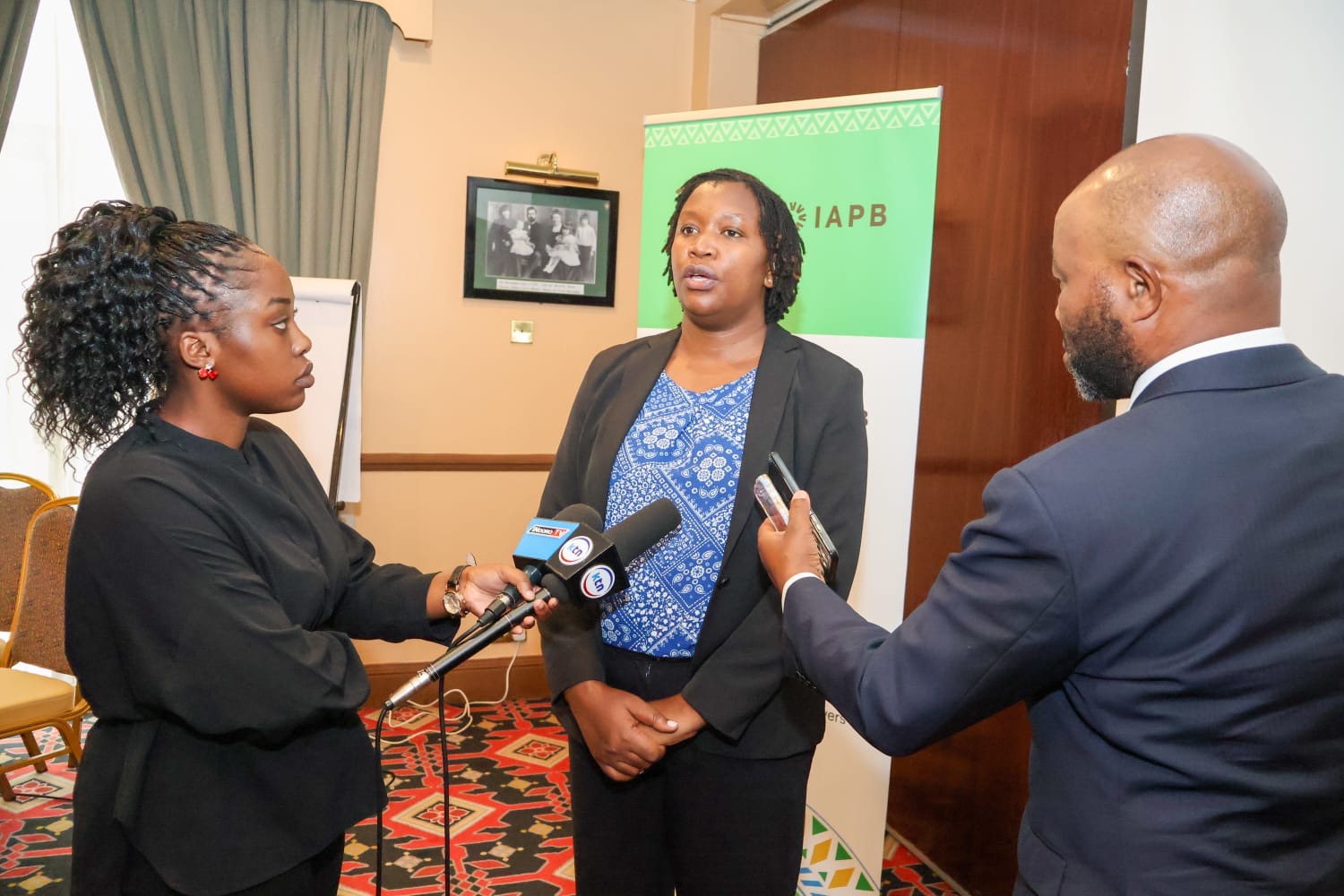
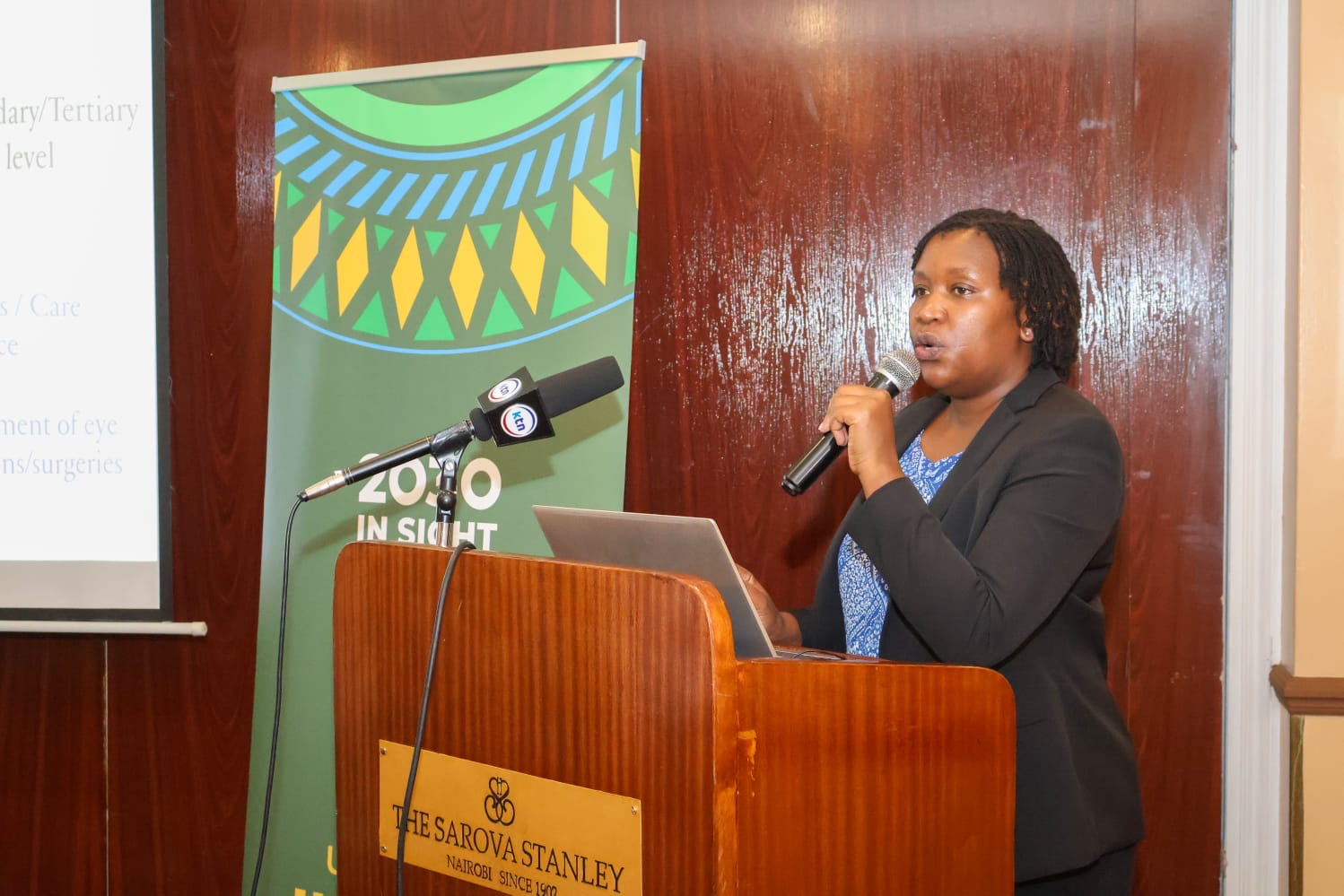
During a media engagement ahead of the upcoming 2030 IN SIGHT LIVE International Conference in Nairobi, Acting Head of the Eye Health Section at the Ministry of Health, Dr. Monica Bitok, said approximately 30 per cent of Kenyans require eye health services to prevent vision loss.
She noted that although Kenya has achieved significant progress in reducing blindness prevalence from 0.7 per cent in 1990 to 0.37 per cent in 2023, major gaps remain in access to cataract surgery, refractive error services, specialist workforce distribution, and early diagnosis of chronic eye diseases.
According to Dr. Bitok, cataract remains the leading cause of blindness in Kenya, accounting for nearly half of all blindness cases. However, the national Cataract Surgical Rate remains at 800 surgeries per million people annually, below the World Health Organization target of 2,000.
She further highlighted the increasing burden of glaucoma and diabetic retinopathy, particularly due to delayed detection and limited screening services outside urban centres.
“Many causes of blindness are preventable or treatable if identified early and linked to care,” said Dr. Bitok.
She stressed the importance of integrating eye health services into primary healthcare and non-communicable disease programmes to support early diagnosis and management.
On childhood eye health, Dr. Bitok said approximately 15,000 children in Kenya are blind due to conditions such as congenital cataract, congenital glaucoma, and Retinopathy of Prematurity (ROP), emphasizing the importance of early identification and referral.
She also raised concern over limited access to spectacles among school-going children with refractive errors, noting that many children continue to struggle academically due to poor vision.
To address existing gaps, the Ministry of Health is prioritising expansion of the eye health workforce, strengthening county eye care infrastructure, improving referral systems, increasing access to affordable spectacles, and promoting technologies such as tele-ophthalmology and digital screening tools.
Fred Hollows Foundation Country Director Peter Milo called for increased investment in eye care, describing avoidable blindness as a major socio-economic challenge affecting productivity, education, and household incomes.
“A short surgical procedure can restore sight and completely change the quality of life for patients and families,” he said.
Operation Eyesight Universal Country Director in Kenya, Caroline Ikumu, highlighted ongoing community-based eye screening initiatives using Community Health Promoters, teachers, and mobile technology to support early detection and referral of eye conditions.
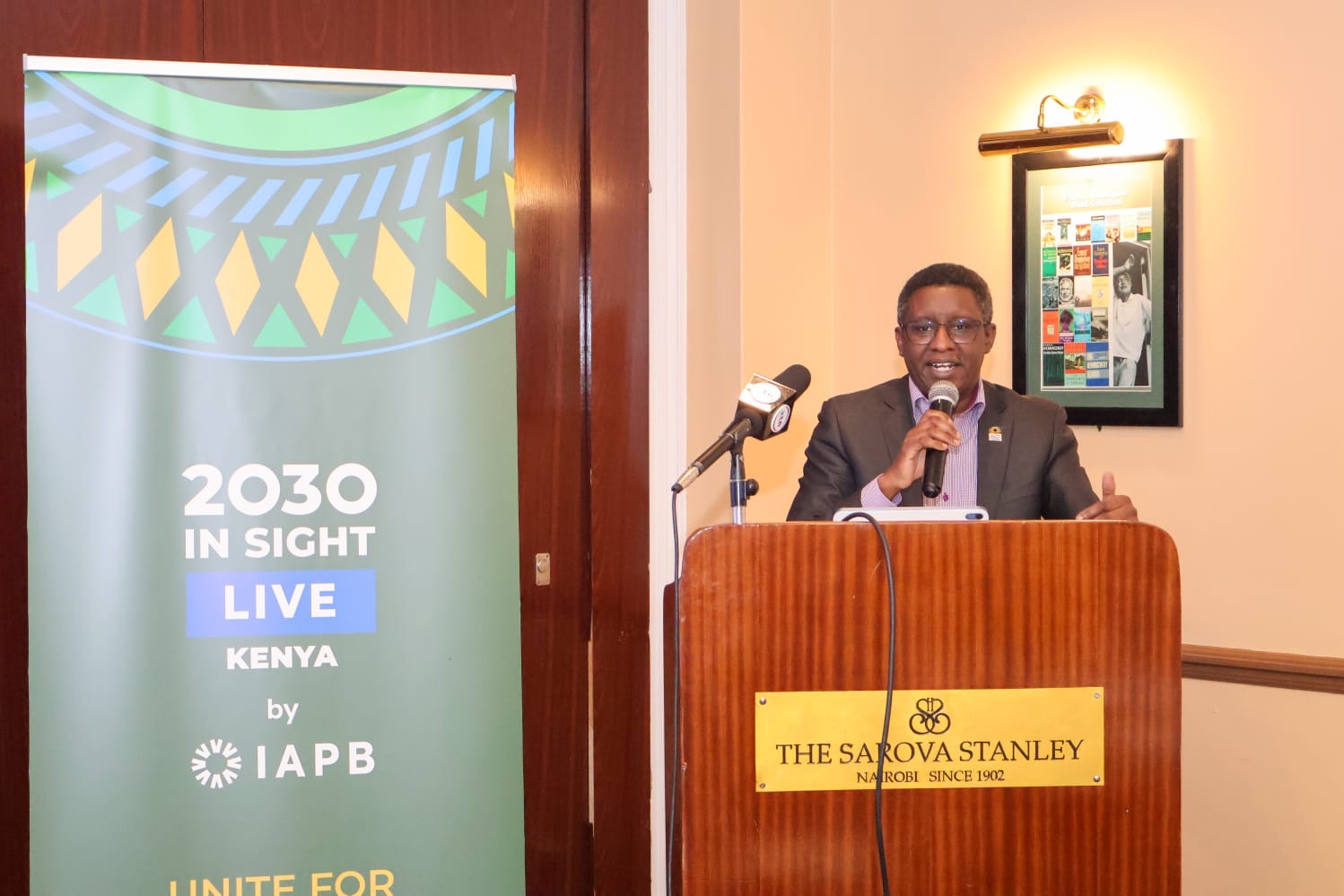
The 2030 IN SIGHT LIVE International Conference is expected to bring together global and regional stakeholders, including policymakers, health experts, researchers, development partners, and private sector players to discuss innovations and partnerships aimed at eliminating avoidable blindness and strengthening access to quality eye care services.