

Kenya Ramps Up Local Pharmaceutical Manufacturing to Strengthen Health Security and Attract Investment
Nairobi, Kenya - Kenya is accelerating efforts to expand local pharmaceutical manufacturing, positioning the sector as central to national health security and economic growth.
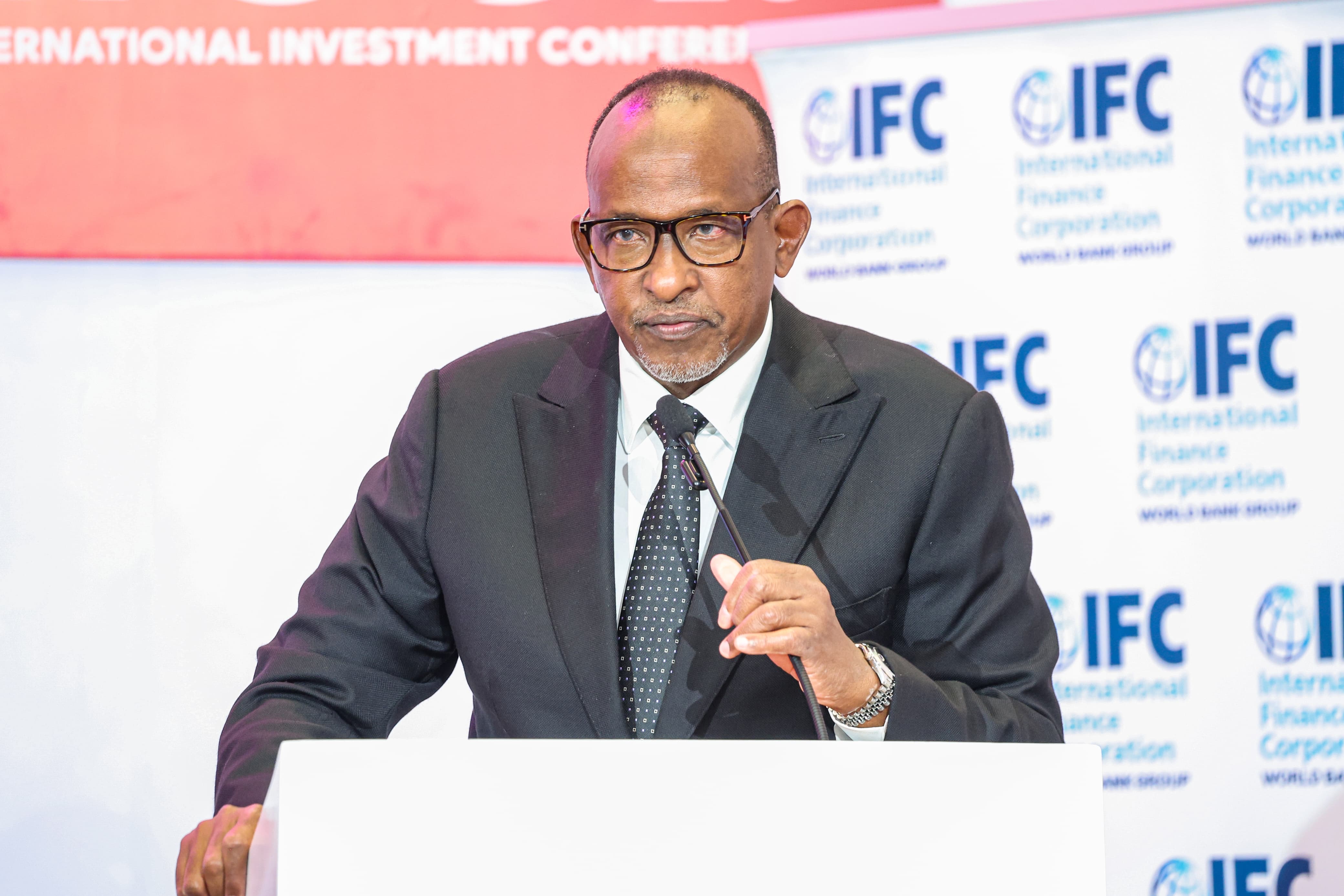
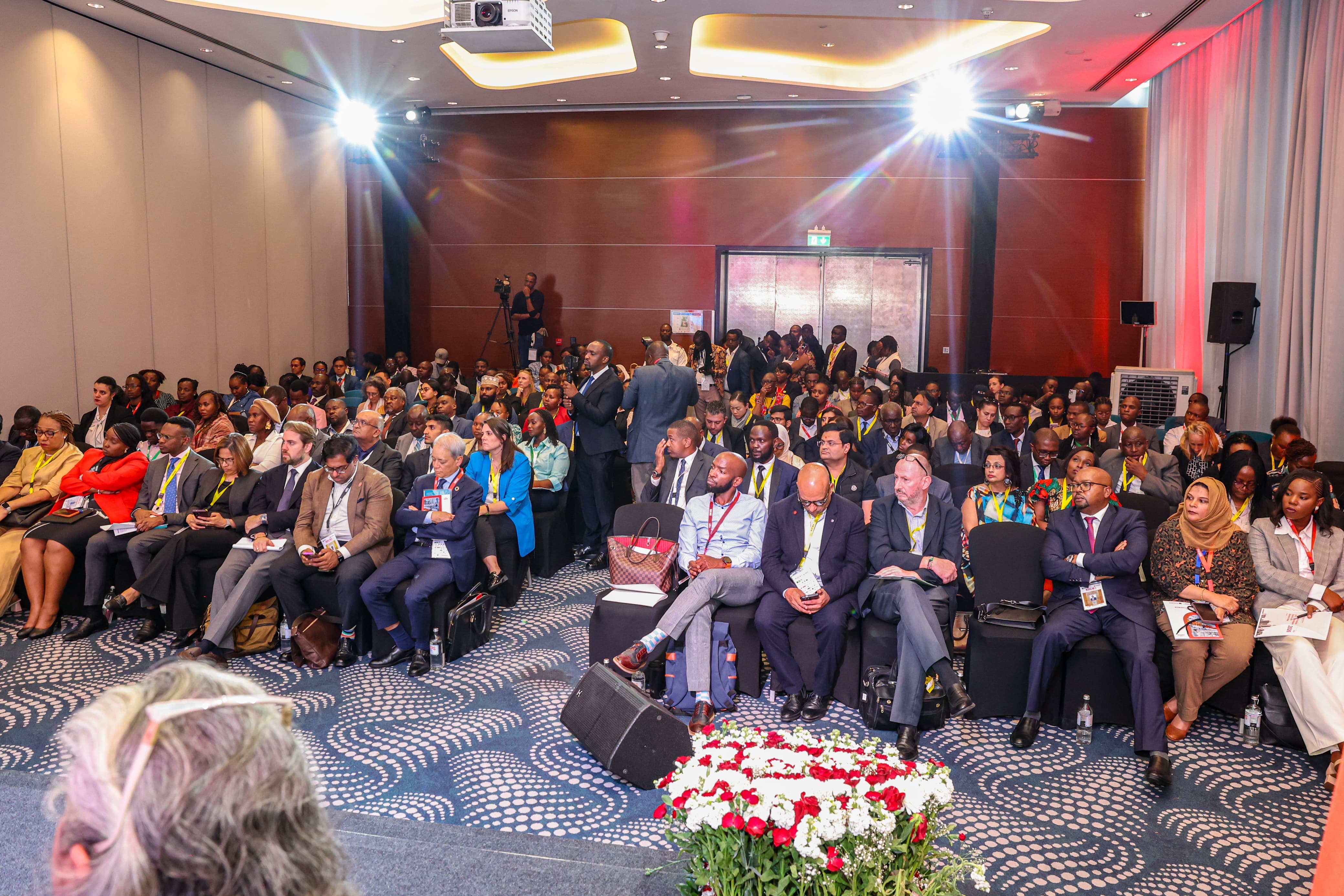
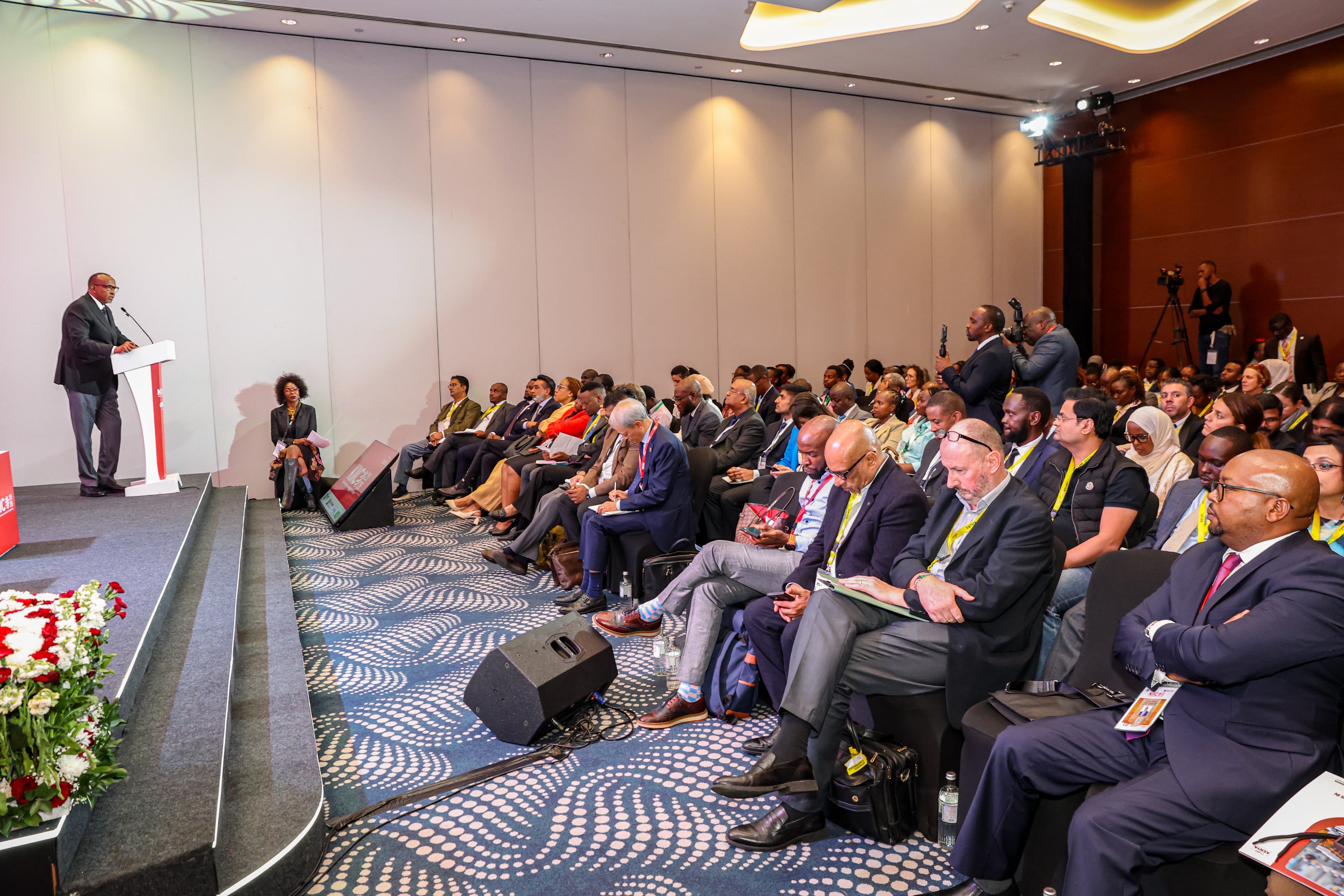
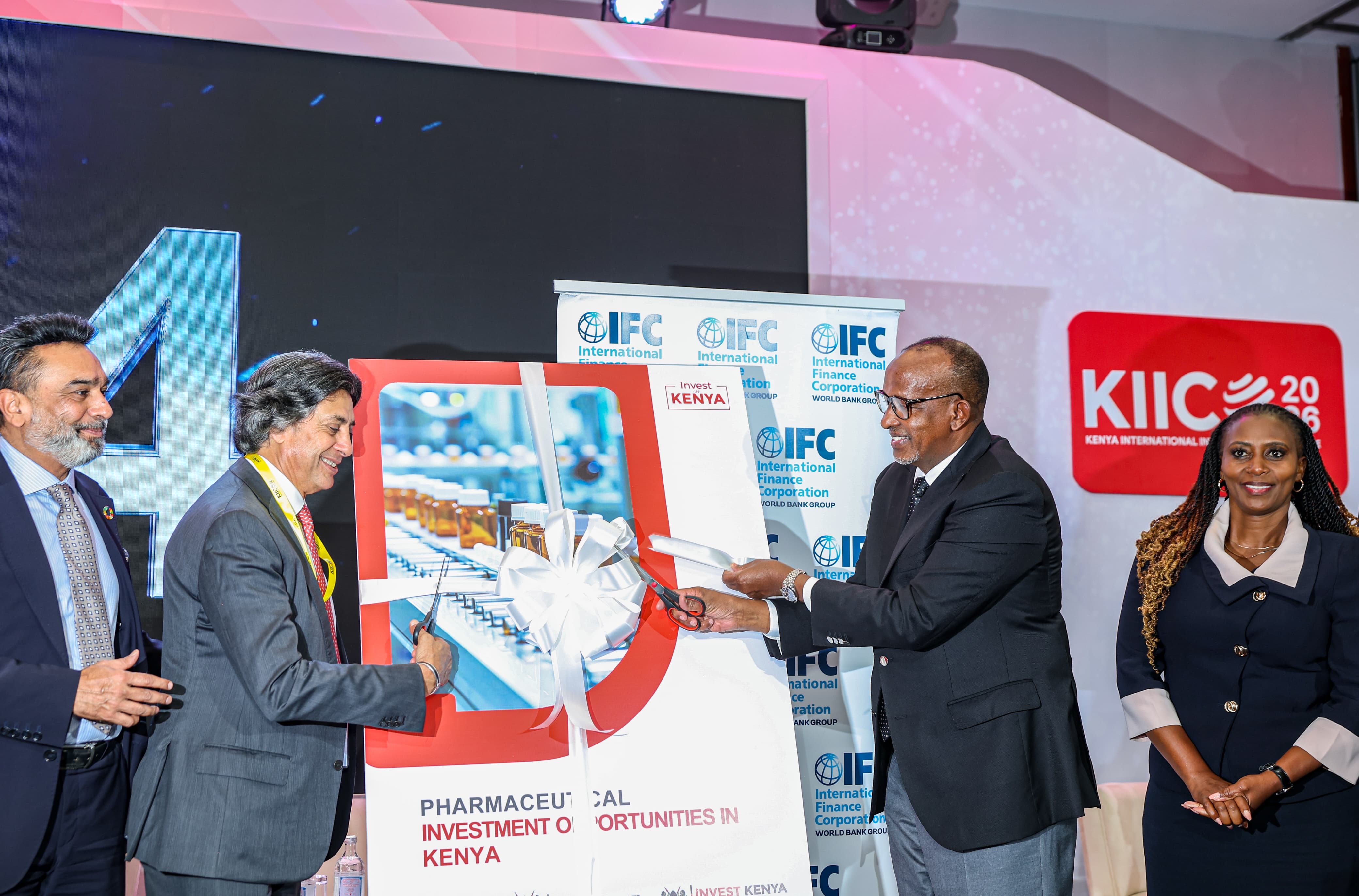
Health Cabinet Secretary Aden Duale convened a high-level meeting on health products and medical technology manufacturing on the margins of the Kenya International Investment Conference 2026, bringing together ministers, investors, industry leaders and development partners to unlock investment in the sector.
Addressing the meeting, the CS highlighted the urgency of closing Kenya’s 70 per cent pharmaceutical supply gap, describing local production as a critical pillar of health sovereignty. He noted that while the country has built a base of over 30 manufacturers, the focus is now on scaling capacity into a competitive regional manufacturing hub.
He warned that recent global disruptions have exposed the risks of overreliance on external supply chains, particularly in access, affordability and resilience of essential health products. In response, the government is aligning health security with industrial policy through increased local production, investment in skills, integrated supply chains and strengthened distribution systems.
Kenya has committed to achieving pharmaceutical self-sufficiency by 2028, driven by four key enablers: procurement reforms to prioritise locally manufactured products, a forthcoming National Local Manufacturing Strategy (2026–2030), ongoing regulatory reforms to reduce approval timelines and costs, and expanded access to long-term financing through institutions such as the Kenya Development Corporation.
Early gains are already emerging, with a 22 per cent decline in pharmaceutical import expenditure between 2024 and 2025, alongside the entry of new manufacturers and expansion of existing firms—signalling growing investor confidence.
The CS further positioned Kenya as a strategic investment destination, citing its large domestic market, access to regional blocs including the East African Community, COMESA and the African Continental Free Trade Area, as well as strong logistics infrastructure and a competitive manufacturing environment, while inviting investors to participate in building a resilient and globally competitive pharmaceutical manufacturing ecosystem.
He was accompanied by Principal Secretary for Public Health and Professional Standards Mary Muthoni and Principal Secretary for Medical Services Ouma Oluga.