




Kenya Strengthens National Response Against Substandard and Falsified Medical Products
Kenya Strengthens National Response Against Substandard and Falsified Medical Products
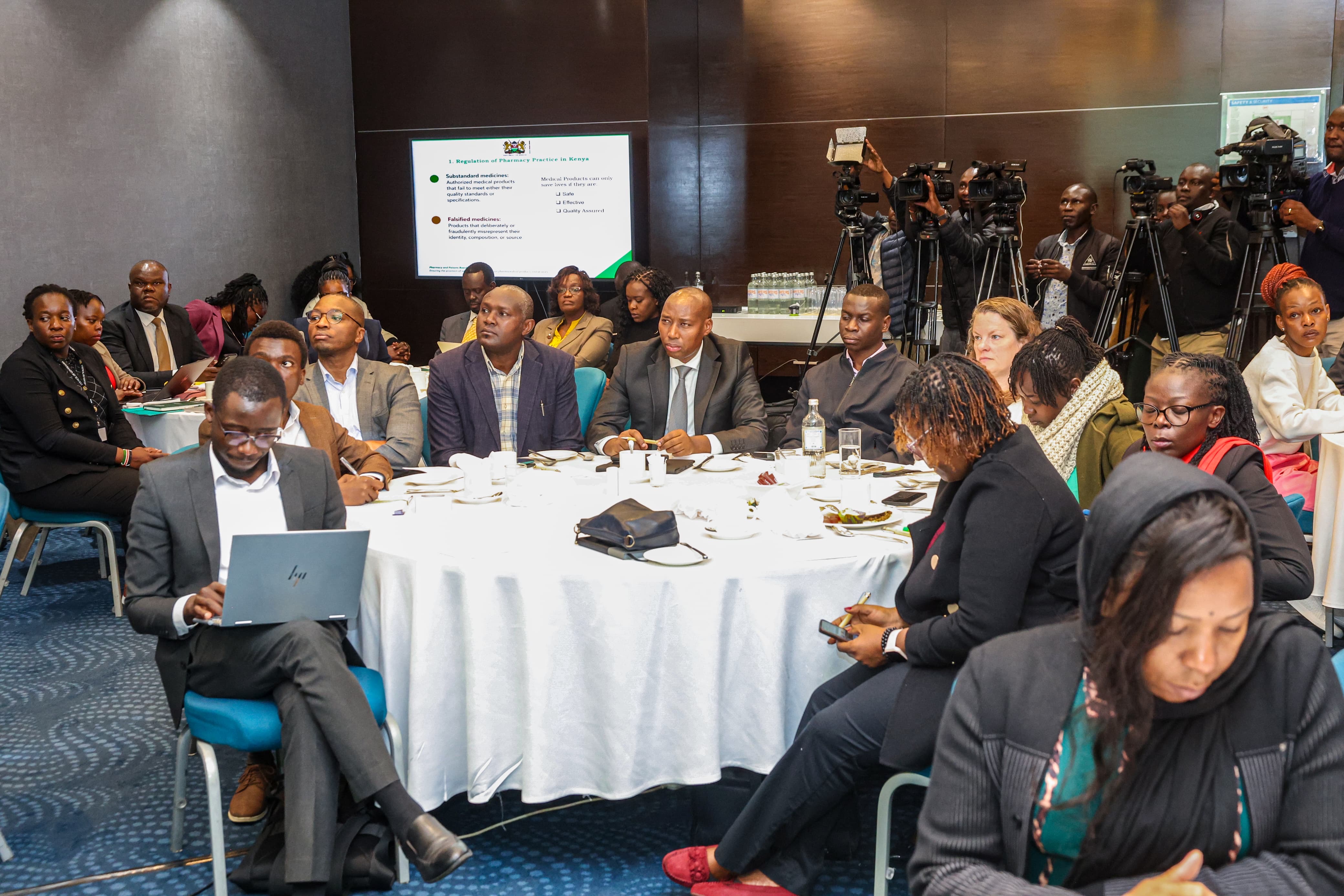
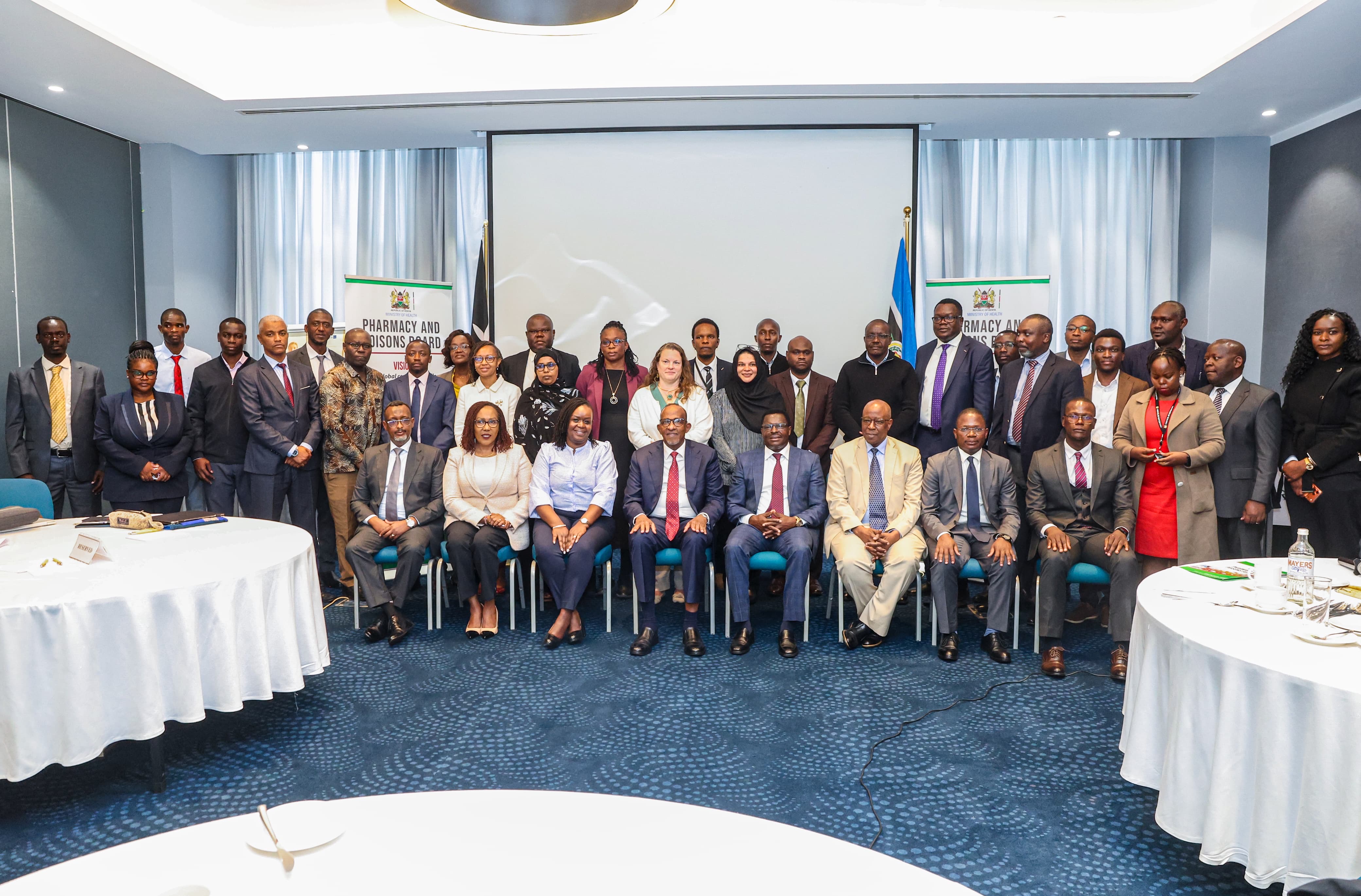
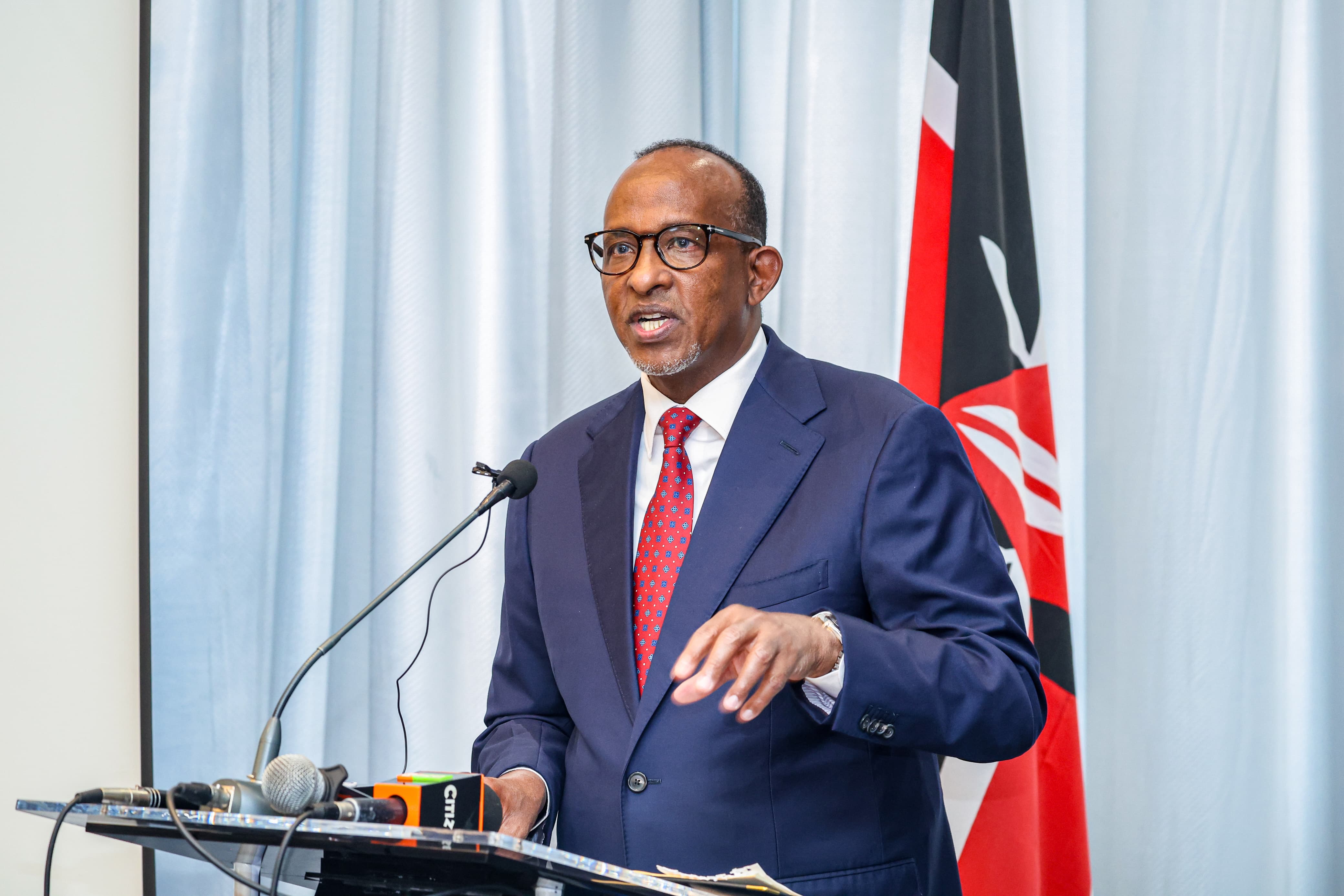
Nairobi, Kenya - - Health Cabinet Secretary Hon. Aden Duale has inaugurated the Interministerial Steering Committee (ISC) to oversee the implementation of Kenya’s National Action Plan on Substandard and Falsified (SF) Medical Products, marking a major step in strengthening the country’s response to unsafe medical products through enhanced coordination, regulation and enforcement.
The Committee will serve as the apex governance body for implementing the National Action Plan, providing strategic leadership, policy oversight and inter-agency coordination. Bringing together institutions with complementary mandates, it will strengthen collaboration in preventing, detecting, investigating and responding to substandard and falsified medical products while addressing policy, legal, operational, regulatory and resource challenges.
Speaking during the inauguration, CS Duale said substandard and falsified medical products remain a serious public health, economic and national security threat. He noted that the products contribute to treatment failure, antimicrobial resistance and preventable deaths, while undermining public confidence in the healthcare system and jeopardizing the successful implementation of Taifa Care and Universal Health Coverage (UHC).
The Cabinet Secretary emphasized that combating substandard and falsified medical products requires a coordinated whole-of-government approach involving regulatory agencies, law enforcement, border control authorities, county governments, healthcare professionals, manufacturers, distributors, development partners and the public.
He noted that Kenya has continued to strengthen its pharmaceutical regulatory systems to protect the public from unsafe medical products. Between 2021 and 2025, the Pharmacy and Poisons Board (PPB) recorded 1,413 product quality complaints, coordinated 99 product recalls, received 32,833 adverse drug reaction reports, and issued 18 public alerts on suspected falsified medicines. Since
, PPB has undertaken 58 product recalls and issued 14 rapid alerts on falsified medical products, demonstrating a more vigilant, transparent and responsive regulatory system.
CS Duale further noted that enforcement efforts have intensified, resulting in the closure of more than 200 non-compliant pharmaceutical premises, alongside arrests and prosecutions of offenders involved in the illegal trade of medical products.
Reaffirming the Government’s commitment to safeguarding the pharmaceutical supply chain, the Cabinet Secretary said the Ministry of Health will continue working with the World Health Organization (WHO) and other partners to strengthen regulatory capacity, post-market surveillance, intelligence sharing, digital traceability and enforcement in line with international best practices, ensuring every Kenyan has access to safe, quality, effective and affordable medicines.
The meeting was attended by Council of Governors Vice Chairperson and Governor of Tharaka Nithi County, H.E. Muthomi Njuki; Council of Governors Chief Executive Officer Ms. Mary Mwiti; Pharmacy and Poisons Board Chairperson Dr. John Munyu; Pharmacy and Poisons Board Chief Executive Officer Dr. Ahmed Mohamed; representatives from the World Health Organization (WHO), IGAD, senior government officials, development partners and other stakeholders committed to protecting the integrity of Kenya’s pharmaceutical supply chain.